Elephant and Castle Station fast rubbish clearance for commuters
If you commute through Elephant and Castle, you already know how quickly a small rubbish problem can turn into a bigger one. One broken suitcase wheel, a dumped cardboard pile, or a bag of office waste left by the wrong exit can slow people down, block a doorway, and make an otherwise ordinary journey feel messy. That is where Elephant and Castle Station fast rubbish clearance for commuters becomes genuinely useful: quick, low-disruption removal that keeps pedestrian routes clear, reduces stress, and helps the station area feel usable again.
This guide explains what fast clearance actually means in a busy transport setting, how it works in practice, who it helps, and what to look for if you need rubbish removed without dragging the problem into tomorrow. It is written for commuters, nearby businesses, landlords, and anyone who has had that familiar thought at 7:45 a.m.: this needs sorting now, not later.
Quick practical takeaway: the best rubbish clearance near a station is the kind that is planned around access, timing, safety, and waste type. Fast matters, but controlled fast is the real win.
Table of Contents
- Why Elephant and Castle Station fast rubbish clearance for commuters Matters
- How Elephant and Castle Station fast rubbish clearance for commuters Works
- Key Benefits and Practical Advantages
- Who This Is For and When It Makes Sense
- Step-by-Step Guidance
- Expert Tips for Better Results
- Common Mistakes to Avoid
- Tools, Resources and Recommendations
- Law, Compliance, Standards, or Best Practice
- Options, Methods, or Comparison Table
- Case Study or Real-World Example
- Practical Checklist
- Conclusion
- Frequently Asked Questions
Why Elephant and Castle Station fast rubbish clearance for commuters Matters
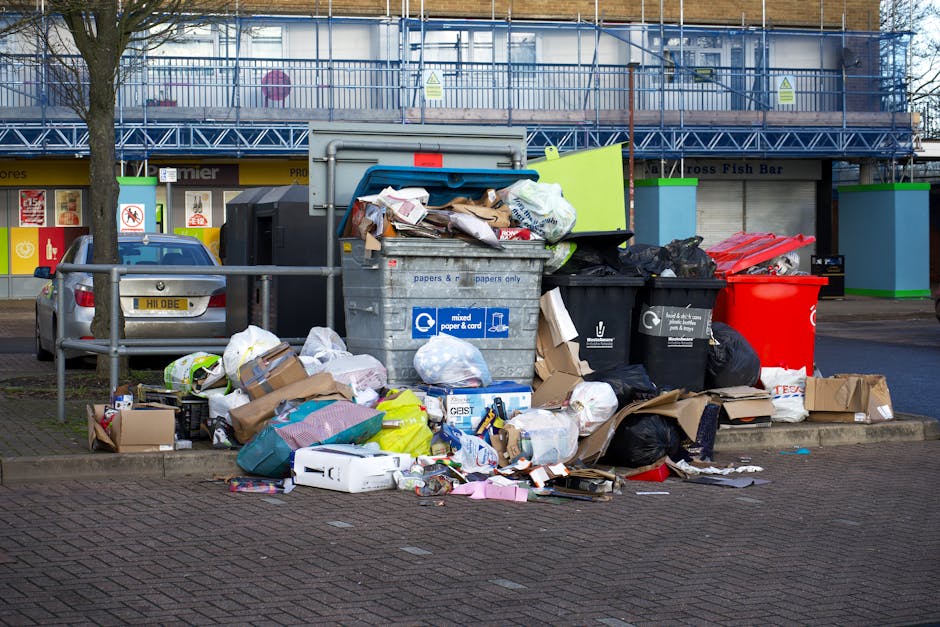
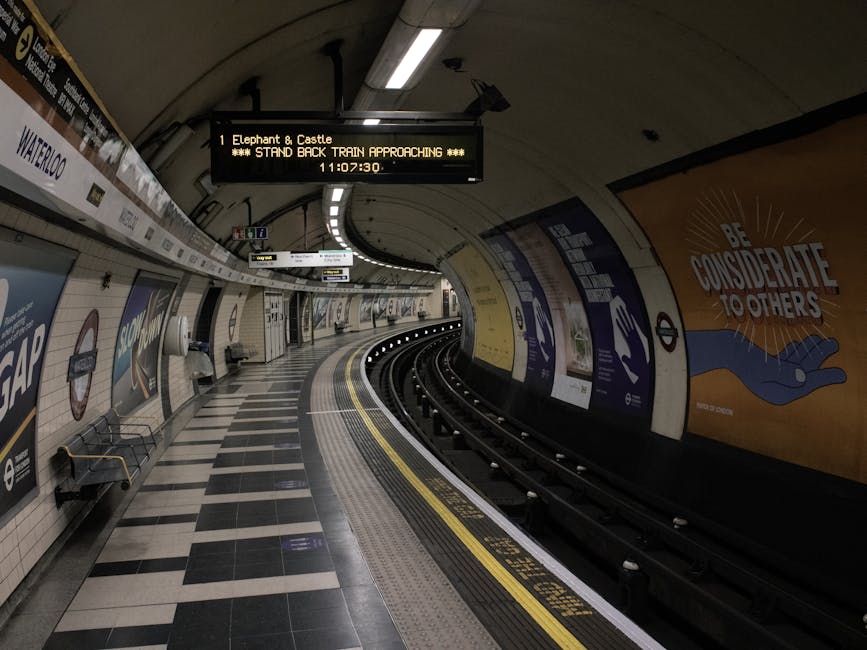
Station environments are unforgiving. People are moving in different directions, bags are swinging, cyclists are filtering through, deliveries are arriving, and everyone is watching the clock. A few items of rubbish may not sound like much, but in a place like Elephant and Castle Station, small mess spreads quickly. Flattened boxes can blow into walkways. Loose packaging can sit in corners. Overflowing bins can encourage fly-tipping around nearby access points. None of that helps passengers, and it certainly does not help station staff trying to keep flow moving.
Fast rubbish clearance matters because commuter areas have a different rhythm from residential streets. The priority is not just removal. It is speed without chaos. You want rubbish handled before it becomes a pinch point, before it causes complaints, and before it starts attracting more waste. To be fair, a tidy station approach can feel invisible when done well - which is exactly the point.
There is also the matter of perception. Clean routes feel safer, calmer, and more professional. A commuter stepping out into a tidy pavement is more likely to keep moving confidently than someone forced to weave around a mess. That sounds simple, and it is. But simple things matter most when thousands of people pass through every day.
If the waste is linked to nearby shops, works, or office clear-outs, the need becomes even sharper. A clearance plan has to account for the fact that this is a live transport corridor, not a quiet yard. That is why services such as local rubbish removal and wait and load skip hire are often more practical than leaving waste sitting outside for long periods.
How Elephant and Castle Station fast rubbish clearance for commuters Works
Fast clearance near a station usually follows a simple but disciplined process. The aim is to identify the waste, remove it quickly, and avoid blocking the route while the job is underway. In practice, that often means a same-day or short-notice collection, a vehicle that can access the area efficiently, and a crew that understands London traffic, loading limits, and pedestrian flow.
In many cases, the process starts with a quick description of the rubbish. Is it general mixed waste, office packing, bagged rubbish, bulky items, or construction spoil from nearby work? The waste type matters because it affects the vehicle needed, the loading method, and whether the material can be taken in one go or needs sorting first.
From there, a suitable method is chosen. For example:
- Rubbish removal works well for bagged waste and mixed small loads.
- Wait and load suits places where a skip would obstruct access or require permits.
- Man and van is often useful for smaller or more flexible clearances.
- Grab hire services can help where larger volumes need to be removed quickly without leaving waste on the street.
The key is matching the method to the reality on the ground. A bulky clearance method can be overkill for a few sacks. At the same time, a small van may not be enough if the job has already grown into a full load. There is no magic trick here, just good judgement and proper planning.
A station-adjacent clearance also needs timing. Early morning, late evening, and off-peak windows are often easier because footfall is lower. That does not mean you can only clear waste then, but it does mean timing should be part of the plan from the start. If the job is urgent, a same-day option may be appropriate, especially when the rubbish is visibly affecting access or presentation.
Key Benefits and Practical Advantages
The obvious benefit is speed, but there is more to it than that. Fast clearance near Elephant and Castle Station saves time, yes, but it also reduces friction in a place where friction is expensive. One pile of rubbish can trigger a knock-on effect: blocked walkways, awkward apologies, frustrated customers, and in some cases a safety issue. Nobody wants that at the start of a commute.
Here are the main advantages in plain English:
- Less disruption for passengers and nearby businesses.
- Better safety around entrances, paths, and loading areas.
- Cleaner presentation for shops, offices, and managed buildings.
- Faster response than waiting for waste to build up.
- More flexible handling for awkward or last-minute loads.
There is also a hidden benefit that people often overlook: better waste control. When rubbish is removed promptly, there is less temptation for others to add to it. That single thing can make a noticeable difference around busy stations. Waste attracts waste. It is annoying, but true.
For businesses in the area, fast clearance can also support a more professional customer experience. If people are entering an office, retail unit, or hospitality space near the station, the arrival scene matters. A tidy frontage suggests care. A messy one suggests the opposite, even if the service inside is brilliant.
If your rubbish includes specific bulky items, it can help to use a dedicated route such as mattress and sofa disposal, fridge and appliance removal, or confidential shredding rather than bundling everything into a general pile.
Who This Is For and When It Makes Sense
This kind of service is not just for one type of customer. In fact, the strongest demand usually comes from a mix of people, each with a different reason for wanting the mess gone quickly. Commuters themselves may need help after a move, a renovation, or an unfortunate collapse of boxes and bags. But businesses, landlords, and contractors are often the ones needing structured clearance most urgently.
It makes sense if you are dealing with any of the following:
- Overflowing rubbish near an office, retail unit, or shared entrance.
- Bulky waste that is too awkward to leave on site for long.
- Waste from a last-minute clearance before opening hours.
- Mixed items that cannot sit outside for security or appearance reasons.
- Waste generated by nearby works where commuter access must stay open.
It also makes sense if you are trying to avoid the classic "we'll deal with it later" trap. Later has a way of turning into a second truckload. Then a third. Then everybody starts blaming everyone else, and nobody enjoys that conversation, least of all on a wet London morning.
For workplaces near the station, fast clearance often pairs well with office clearance or commercial skip hire. For homes, flats, and smaller refurbishments, domestic skip hire can be a better fit if the load is larger and access allows it.
Step-by-Step Guidance
If you want a smooth result, the job needs a little structure. Nothing fancy. Just a sensible sequence that reduces delays and avoids guesswork.
- Identify the waste clearly. Separate general rubbish from bulky items, electricals, or anything potentially hazardous.
- Check the access route. Think about stairs, lifts, doorways, loading bays, and whether the rubbish is blocking pedestrian flow.
- Choose the right clearance method. For a quick street-level job, man and van or wait and load skip hire may be more practical than a static skip.
- Confirm what can be taken. Not all waste streams are the same. A mixed heap is fine for some jobs, but not for everything.
- Schedule around commuter flow. Try to avoid peak footfall where possible. It's just easier.
- Load efficiently. Keep items grouped, bagged, and ready so the clearance team can work quickly.
- Remove and tidy. The final step matters. A cleared area should actually feel cleared, not just less messy.
One useful habit is to stage waste in advance, even if only for twenty minutes. Boxes flattened, bagged waste tied off, bulky items moved to one side. That little bit of prep can save a surprising amount of time. It also reduces the chance of items spilling across the pavement while people are passing.
Expert Tips for Better Results
After enough clearances, you learn that the best results usually come from small decisions made early. The people who get the smoothest outcome are not necessarily the ones with the smallest load. They are the ones who think through access, timing, and waste type before the truck arrives.
Here are a few practical tips that genuinely help:
- Photograph the waste first. A quick image helps estimate volume and choose the right collection method.
- Keep mixed waste honest. If there are electricals, sharp items, or rubble in the pile, say so early.
- Avoid overfilling bags. Heavy, overstuffed bags slow everything down and can make lifting awkward.
- Have a clear handover point. Near a station, vague instructions cause delays. Be specific about where to meet.
- Use the narrowest workable solution. If you only need a small, fast collection, don't create a bigger logistics problem than necessary.
If you are comparing longer-term waste handling options, it is worth looking at skip sizes and prices alongside pricing and quotes. That makes it easier to see whether a one-off clearance, a skip, or a repeat arrangement gives you better value.
A small but important tip: think about who is going to be present when the clearance happens. If the site is busy, assign one person to point out what goes and one person to keep the route clear. Two voices shouting directions is not a strategy. It's just noise.
Common Mistakes to Avoid
Fast rubbish clearance sounds simple, but a few common mistakes can slow everything right down. The first is underestimating volume. A pile that looks manageable from the hallway can become two loads once it is lifted, bagged, and sorted. That happens more often than people expect.
Another mistake is choosing the wrong removal method. A skip is not always the answer, especially close to a busy station where placement space is tight. Likewise, a small van may be too limited if you have demolition leftovers or larger bulky items. Matching the service to the job saves time and frustration.
People also sometimes forget about restricted waste. If you include items that need special handling, the collection may need to be adjusted. That can mean slower processing or a different route entirely. If the waste may be classed as hazardous, it is far better to raise that early and use a suitable service such as hazardous waste disposal.
Other mistakes to watch for:
- Leaving rubbish where it blocks pedestrian access.
- Not checking if a permit might be needed for a skip on the public highway.
- Mixing recyclable items with general waste without thinking it through.
- Failing to plan for a lift, staircase, or narrow doorway.
- Assuming every provider can handle urgent commuter-area work safely.
Truth be told, most clearance problems are not dramatic. They are just slightly messy decisions made in a hurry. Fix the decision, and the job improves fast.
Tools, Resources and Recommendations
You do not need a huge toolkit to organise fast rubbish clearance well, but a few practical resources help a lot. A phone camera for photos, strong sacks, gloves, a basic note of access instructions, and an estimated time window are usually enough for the planning stage. That is the simple stuff, and simple stuff is often what keeps the day moving.
If you want a more structured approach, these website pages are useful starting points depending on the situation:
- what can go in a skip for sorting out acceptable waste types.
- recycling and sustainability for a better sense of how waste can be managed responsibly.
- payment and security if you want confidence around how transactions are handled.
- insurance and safety for reassurance on working practices.
- health and safety policy if your site has particular access or risk concerns.
For enquiries that need a direct conversation, the natural next step is to use the site's booking and contact routes. If you are still deciding, book online can help you move from "we should sort this" to an actual slot. And if you need to understand the company background first, the about us page is a sensible place to start.
Law, Compliance, Standards, or Best Practice
Any rubbish clearance in London should be handled carefully, especially near a station where public access and transport movement are in play. The exact legal and operational requirements can vary depending on the waste type, the location, and whether a skip or vehicle is being used on the public highway. So while the details depend on the job, the general principle is steady: do not leave waste in a way that creates danger, obstruction, or avoidable nuisance.
For best practice, a responsible clearance should account for:
- Waste segregation where practical, so recyclable items are not mixed unnecessarily.
- Safe loading to prevent injury to staff and passers-by.
- Access control so commuters are not forced into unsafe detours.
- Appropriate handling of special items such as electrical appliances or confidential material.
- Clear communication if a permit, vehicle positioning plan, or timed collection is involved.
If a skip is being considered near Elephant and Castle Station, it is sensible to review permit requirements in advance and use the relevant guidance on skip hire permits or skip permits. Not every job needs one, but it is better to check than assume.
For commercial sites, common-sense best practice also includes using a provider that can work neatly, turn up when promised, and keep disruption low. That sounds obvious, but when you are trying to get people through a station frontage at rush hour, obvious becomes valuable.
Options, Methods, or Comparison Table
Choosing the right method depends on space, volume, urgency, and the type of waste involved. The table below gives a practical comparison without pretending there is one perfect answer for every clearance.
| Method | Best for | Strengths | Watch-outs |
|---|---|---|---|
| Rubbish removal | Bagged waste, mixed small loads | Quick, flexible, low fuss | Can be less efficient for larger volumes |
| Wait and load | Busy streets, limited space | No skip left behind, fast turnaround | Timing matters; you need waste ready to go |
| Man and van | Bulky items, smaller clearances | Useful for awkward access and one-off jobs | Not ideal for larger rubble-heavy loads |
| Grab hire | Heavier or larger volumes | Fast collection, useful for bigger clearances | Needs access room for the vehicle |
| Skip hire | Ongoing works, larger project waste | Handy for staged loading over time | May require permits and space |
For station-adjacent clearances, the most convenient option is often the one that avoids long dwell times. That is why wait and load skip hire and grab hire services tend to be especially useful where access is tight and the street cannot be occupied for long.
Case Study or Real-World Example
Here is a realistic example. A small office near Elephant and Castle Station has a Friday afternoon clear-out before a new tenant takes over on Monday. There are broken desks, old packaging, a few bagged waste items, and a couple of bulky office chairs that no one wants to drag through the building twice. The entrance is narrow, the pavement is busy, and the team does not want waste sitting outside over the weekend.
Instead of using a standard long-stay solution, the team breaks the job down. Reusable items are separated. Bagged waste is tied off. The bulky chairs are stacked by the easiest exit point. Photos are sent ahead so the collection method can be matched properly. Because access is limited and time is short, a flexible clearance option is chosen rather than leaving a static container in place.
The result is not glamorous, but it works. The rubbish is gone quickly, the entrance stays usable, and the building is ready for the next tenant without a half-finished mess hanging around. That kind of result may sound basic, but in a commuter-heavy area basic done well is worth a lot.
For an office or shared workspace, this might also connect neatly with office clearance or commercial skip hire if the project is larger and extends beyond a single pickup.
Practical Checklist
Use this quick checklist before arranging fast rubbish clearance near Elephant and Castle Station:
- Confirm what type of waste needs removing.
- Separate bulky, recyclable, and special items where possible.
- Check the access route for doors, stairs, lifts, and pavement space.
- Decide whether you need same-day, next-day, or scheduled clearance.
- Consider whether a skip, van collection, or wait-and-load is the better fit.
- Take photos of the waste if volume is hard to judge.
- Make sure someone is available to show the crew exactly where to work.
- Ask about safety, insurance, and acceptable waste types.
- Plan for a tidy final sweep, not just removal.
- Keep any sensitive or confidential material separate.
If you can tick most of those boxes, the clearance is usually much smoother. Not perfect every time, of course. But a lot smoother.
Conclusion
Elephant and Castle Station fast rubbish clearance for commuters is really about keeping a busy place moving. It is about removing clutter before it becomes a blockage, handling waste with enough speed to be useful, and choosing a method that fits the realities of London access. The smartest approach is not always the biggest one. Often it is the one that is quickest, neatest, and least disruptive to people trying to get on with their day.
Whether you are a commuter, a nearby business, or someone managing a one-off clear-out, the same principle applies: act early, choose the right clearance method, and keep the job simple. That way the station area stays usable, the waste is dealt with properly, and the whole thing feels far less stressful than it could have done.
Get a free quote today and see how much you can save.
Frequently Asked Questions
What does fast rubbish clearance near Elephant and Castle Station usually include?
It usually means quick removal of bagged waste, bulky items, office rubbish, or mixed loads with minimal disruption. The exact service depends on what needs collecting and how easy it is to access the site.
Is same-day rubbish removal available for commuters and nearby businesses?
Often, yes, depending on timing, access, and the type of waste involved. If the job is urgent, a same-day collection or flexible method like same-day skip hire may be suitable.
What is the best option if there is no space for a skip?
Wait and load skip hire or a man and van collection is often more practical where space is tight and you cannot leave waste on the street for long.
Can you remove bulky items like sofas or mattresses quickly?
Yes, bulky items are commonly handled through dedicated disposal routes such as mattress and sofa disposal. It helps to mention the items clearly when arranging collection.
Do I need a permit for rubbish clearance near the station?
If a skip or vehicle is going to occupy public highway space, a permit may be needed. It depends on the exact setup, so checking skip hire permits or skip permits is a sensible step.
How do I know which rubbish removal method is best?
Think about waste volume, access, urgency, and whether the site can tolerate a container being left in place. Small loads suit rubbish removal or man and van; larger or heavier loads may suit grab hire or skip hire.
What waste should be mentioned in advance?
Anything unusual should be flagged early, especially electrical appliances, confidential material, or potentially hazardous items. Clear information helps avoid delays and ensures the right handling method is used.
Is rubbish clearance around a station different from ordinary residential clearance?
Yes, because foot traffic, timing, and access are much more sensitive. The work has to be quicker and more controlled so commuters are not forced around obstacles.
What should I prepare before the collection team arrives?
Take photos, separate what can be separated, and make sure someone can guide the team to the waste. A tidy staging area makes the whole job faster and safer.
Can businesses near Elephant and Castle Station use skip hire instead?
Yes, if they have space and the waste volume justifies it. Commercial skip hire can work well for ongoing jobs, while a fast pickup can be better for one-off or urgent clearances.
What if I need to clear waste from an office or shop at short notice?
That is a common scenario. Services like office clearance or rubbish removal are often used when the site needs to be presentable quickly and without fuss.
How do I book or ask for more information?
You can start with book online if you already know what you need, or review the company background through about us first if you prefer to understand the service a little better before you commit.