Elephant and Castle Skip Hire: Recycling and Sustainability
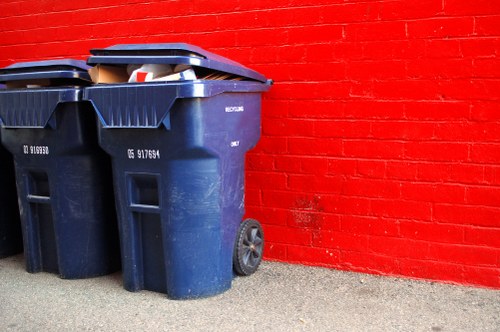
At Elephant and Castle Skip Hire we place the eco-friendly waste disposal area at the heart of every project. Our purpose-built sustainable rubbish area and operations are designed to reduce landfill, boost reuse and recycle more materials from construction, household clearances and commercial waste. We work across the Elephant & Castle area and the neighbouring boroughs to align with local waste separation schemes and to support community circular economy goals. Our recycling percentage target is ambitious and measurable: we aim for a 70% recycling and recovery rate across all loads by 2028.We operate as a local hub for responsible disposal: our on-site segregation zones ensure that mixed loads are sorted into paper, cardboard, glass, metals, plastics, textiles, food waste and WEEE streams. As Elephant and Castle skips service providers, we understand borough-level collection differences — for example, the local council policies that prioritise separate food waste collection and dry recycling banks — and we adapt our separation practices accordingly. Elephant and Castle skips customers benefit from this tailored approach that maximises diversion from landfill.
 Our network includes partnerships with nearby local transfer stations to ensure fast, compliant movement of materials to recycling facilities. Typical transfer stops include the borough transfer stations serving Southwark and neighbouring boroughs, enabling rapid onward transport to material recovery facilities and specialist recyclers. We track material flows and use authorised routes to reduce double-handling and unnecessary mileage. A concise list of our transfer and sorting partners includes:
- Local borough transfer stations for mixed dry recyclables
- Specialist WEEE and metal recyclers for electricals and ferrous/non-ferrous items
- Composting facilities for segregated food and green waste
Our commitment extends beyond logistics: we have active partnerships with charities and social enterprises to give reusable items a second life. Through vetted charity partners, recoverable furniture, textiles and working appliances are diverted from the waste stream and redirected to local people in need. These collaborations support local social impact while reducing the carbon and resource costs of producing new goods. We also work with community workshops to upcycle timber and architectural salvage where possible.
Measuring progress and targets
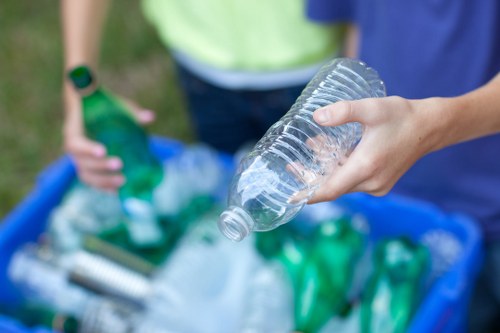
To meet our recycling percentage target we operate robust reporting systems. Every skip load is documented and audited: weights by material type are recorded, transfer destinations noted, and cumulative diversion rates are published internally. Our current performance sits on a steady trajectory toward 70% recovery, with incremental annual improvements driven by better on-site segregation and more selective transfer routing. We monitor these metrics to demonstrate tangible environmental benefits and to meet borough reporting expectations.As part of our sustainable rubbish area strategy we manage hazardous and specialist wastes with strict controls. As an elephant and castle skip hire provider we ensure asbestos, solvents, paints and certain types of contaminated soils are handled only by licensed contractors and delivered to permitted treatment facilities. This approach prevents hazardous materials from contaminating recyclable streams and protects local waterways and soil quality.
We also prioritise a low-emission fleet. Our low-carbon vans, including electric and hybrid vehicles, form the backbone of our collection and delivery operations. By deploying low-carbon vans and optimising collection routes with scheduling software, we reduce urban congestion, cut idling times and lower mile-per-tonne emissions. Elephant and Castle Skip Hire aims to convert the majority of its fleet to zero-emission vehicles over the next five years.
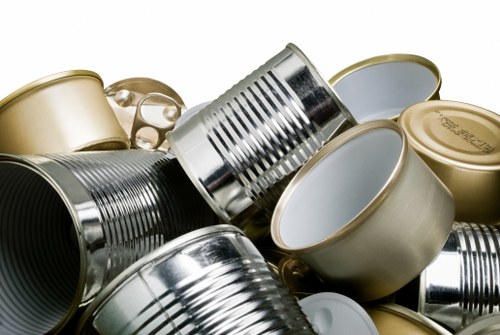 Community engagement is a central pillar of our sustainability programme. We run local drop-off events for segregated recyclables, provide training for on-site labour to improve source separation, and share best practices with contractors and residents on how to reduce contamination. The benefits of our model include:
- Higher recycling rates through better segregation
- More reuse via charity partnerships and salvage operations
- Lower carbon intensity per tonne through fleet efficiency
 Operational transparency completes the loop: regular waste transfer notes, material reporting and clear labelling at the sustainable rubbish area ensure that customers and partners can verify recycling outcomes. We avoid vague claims and provide documented traceability from skip collection to final treatment. For residents and businesses seeking an ethical elephant and castle skip hire option, our model demonstrates how well-managed local services can support borough recycling schemes, reduce landfill dependency and create social value through charity redistribution.
We continue to invest in staff training, better segregation infrastructure and technology that helps customers choose the most resource-efficient disposal route for their waste. By combining low-carbon vans, established transfer station routes, charity partnerships and a clear recycling percentage target we provide a comprehensive sustainable skip hire service. Whether you refer to us as Elephant and Castle Skip Hire, Elephant & Castle skip hire, or elephant and castle skip hire, our promise remains the same: to run a responsible, transparent and community-focused eco-friendly waste disposal area that supports a circular future.
Through collaborative working with local authorities, transfer stations and charity networks, our approach reduces landfill, increases recycling and keeps reusable goods in circulation. The sustainable rubbish area we operate is not simply a compliance requirement — it is a practical contribution to local environmental quality and long-term resource resilience. We are committed to continuous improvement, measurable targets and palpable benefits for the Elephant and Castle area and its neighbours.
Summary of commitments:
- 70% recycling and recovery target by 2028
- Use of authorised local transfer stations and licensed facilities
- Partnerships with charities for reuse and redistribution
- Low-carbon vans and route optimisation to reduce emissions